Thinking about memory problems or changes in how you think can be worrying. It’s natural to wonder if these changes are just a part of getting older or if something more serious is going on.
A dementia test is a way for doctors to figure out what’s happening with your brain. This article will walk you through what a dementia test involves, why it’s done, and what you can expect if you or someone you know needs one.
What is a Dementia Test?
A dementia test is a series of evaluations designed to figure out the cause of these changes. The goal is to get a clear picture of cognitive function and identify any underlying conditions.
It's important to understand that there isn't one definitive test that can say "yes" or "no" to dementia. Instead, healthcare professionals use a combination of methods. This approach helps them understand the extent of any cognitive decline and, importantly, to rule out other brain conditions that might be causing similar symptoms.
Many of these other conditions, like vitamin deficiencies or thyroid issues, can be treated, potentially reversing the symptoms. If a dementia diagnosis is made, early identification allows for planning and access to support services.
Types of Dementia Tests
Cognitive Screening Tests
These are often the first step. They're designed to quickly check your thinking abilities.
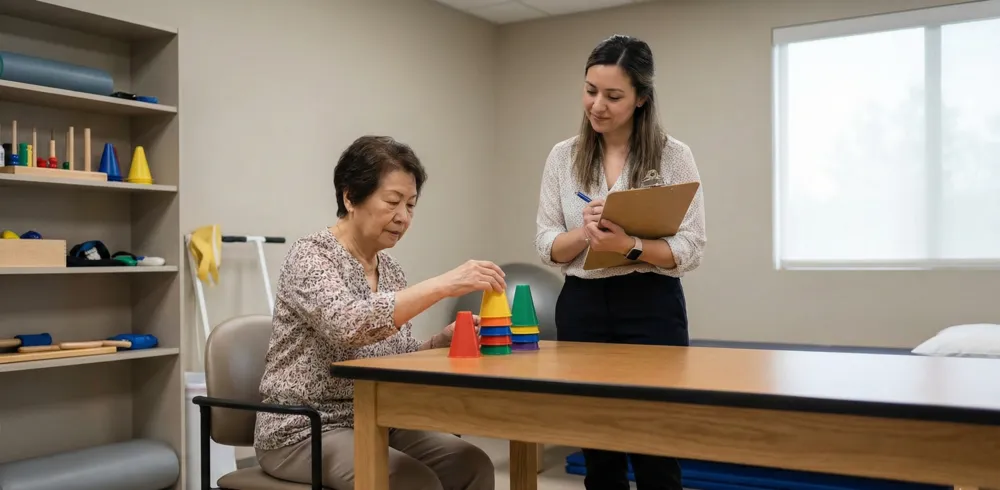
Tests might look at your memory, your ability to pay attention, how you reason, and your language skills. Some are quite brief, asking simple questions or having you do a few tasks. Others can be a bit more involved.
Examples include the Mini-Mental State Exam (MMSE) and the Saint Louis University Mental Status (SLUMS) test. These tests help identify if there are changes in your brain health that warrant further investigation.
Neuropsychological Testing
If initial screening suggests a problem, a more in-depth neuroscience-based evaluation might be recommended. This is where neuropsychological testing comes in.
These tests go deeper into specific cognitive areas like executive function (planning and problem-solving), memory, attention, and language. They can help distinguish between different types of cognitive impairment and understand how these changes might affect daily life. These are typically administered by a neuropsychologist.
Medical History and Physical Examination
This is a foundational part of the diagnostic process. A doctor will talk with you about your health history, any symptoms you've noticed, and when they started. They'll also likely ask a family member or close friend for their observations, as they might notice changes you don't.
A physical exam helps rule out other medical conditions that could be causing symptoms. This part is about gathering the full story of your health.
Brain Imaging Scans
Imaging techniques provide a look inside the brain. MRI and CT scans can help identify structural issues like strokes, bleeding, tumors, or fluid buildup. PET scans can show how the brain is functioning and may help detect the buildup of proteins like amyloid and tau, which are associated with Alzheimer's disease.
These scans help doctors see what might be happening physically in the brain.
Blood and Urine Tests
These tests are used to rule out other conditions that can mimic dementia symptoms. For example, blood tests can check for vitamin deficiencies (like B-12) or thyroid problems that can affect cognitive function.
Sometimes, a sample of cerebrospinal fluid, obtained through a spinal tap, might be examined for signs of infection, inflammation, or specific markers related to certain neurological diseases.
Interpreting the Results of a Dementia Test
Getting the results of dementia tests can bring a mix of anticipation and concern. Your doctor will review all the gathered information which might include scores from cognitive screening tests, results from more in-depth neuropsychological evaluations, findings from brain imaging like MRI or PET scans, and outcomes of blood or urine tests.
A neurological exam also plays a part, checking reflexes, coordination, and other physical signs that could point to different conditions. The interpretation process aims to identify patterns that suggest a specific type of dementia or another condition affecting cognition.
Sometimes, results might indicate mild cognitive impairment (MCI), which is a stage between normal age-related cognitive decline and dementia. In other cases, the tests may rule out dementia and point to other treatable causes for the symptoms, such as vitamin deficiencies, thyroid issues, or even depression. If the results are unclear or symptoms persist, further testing or a second opinion might be recommended.
It's also worth noting that some screening tests, especially those taken at home, are not considered definitive. They can be a starting point, but a professional evaluation is necessary for accurate interpretation.
The results are meant to guide further medical investigation, not to provide a final diagnosis on their own. Your healthcare provider will discuss what the findings mean for you and outline potential next steps, which could include treatment options or ongoing monitoring.
Next Steps After a Dementia Diagnosis
Receiving a diagnosis of dementia marks a significant point, and understanding the path forward can help manage the changes ahead. It's important to know that a diagnosis does not signify an end to a fulfilling life. Instead, it opens a chapter where proactive planning and support become key.
Several avenues can be explored following a diagnosis:
Understanding the Condition: Learning about the specific type of dementia diagnosed, its typical progression, and how it might affect daily life is a primary step. This knowledge can demystify the condition and help in anticipating future needs.
Developing a Care Plan: Working with healthcare professionals, family members, and potentially legal advisors can help create a plan that addresses current and future care, financial matters, and personal wishes. This might involve discussing living arrangements, medical treatments, and legal documents like advance directives.
Seeking Support: Connecting with support groups, whether for the patient diagnosed or for their caregivers, can provide a sense of community and shared experience. These groups often offer practical advice, emotional support, and information about available resources.
Lifestyle Adjustments: Making changes to the living environment can improve safety and reduce confusion. This could include simplifying tasks, establishing routines, and ensuring the home is free from hazards. Engaging in regular physical activity and mentally stimulating activities may also play a role in managing symptoms.
Treatment and management strategies are tailored to the individual and the specific type of dementia. While there is currently no cure for most forms of dementia, various medications and therapies can help manage symptoms and improve quality of life.
These might include medications to address cognitive symptoms, as well as therapies like occupational therapy to assist with daily living activities. Exploring participation in clinical trials for new treatments may also be an option for some people.
Conclusion
Dementia testing is a process that involves several steps, not just one simple exam. Doctors look at your medical history, talk with people close to you, and use different tests to check memory, thinking, and daily skills. Sometimes, brain scans or blood tests are needed to rule out other causes.
Home tests you see online or in stores are not reliable and can give wrong results. Thus, if you or someone you know is worried about memory or thinking changes, the best thing to do is talk to a healthcare professional.
Frequently Asked Questions
What is a dementia test?
A dementia test is a series of evaluations a doctor uses to figure out if someone has dementia. It's not just one single test, but a combination of different checks. These tests help doctors understand changes in a person's thinking, memory, and daily abilities to see if they are due to dementia or something else.
Why are dementia tests important?
Getting tested for dementia is important because an early diagnosis can help. It allows doctors to find out the cause of the symptoms, which might be treatable. Knowing if it's dementia helps families plan for the future and access support services. It also helps rule out other health problems that can cause similar symptoms.
What happens during a dementia test?
During a dementia test, a doctor will likely talk to you about your health history and any changes you or your loved ones have noticed. You might also have a physical exam, blood tests, and possibly brain scans like an MRI or CT. You'll also do tests that check your memory, thinking skills, and ability to do everyday tasks.
Can a simple test diagnose dementia?
No single test can definitively diagnose dementia. Doctors use a variety of tools and information, including medical history, physical exams, cognitive tests, and sometimes brain imaging or lab work, to make an accurate diagnosis. It's a process that requires gathering information from many sources.
What kind of questions are asked in a dementia test?
Questions in a dementia test often focus on memory, like asking about recent events or recalling a short list of words. They might also ask about your ability to solve problems, understand instructions, name objects, and know the current date and location. Sometimes, a close friend or family member might be asked about changes they've observed.
Are there different types of dementia tests?
Yes, there are several types of tests. These include quick cognitive screenings to check thinking skills, more in-depth neuropsychological tests for a detailed look at brain function, medical history reviews, physical exams, brain imaging scans (like MRI and CT), and blood or urine tests to rule out other conditions.
What if the test results are unclear?
If test results are not clear or if symptoms continue to worsen, your doctor might suggest more tests or a second opinion. Sometimes, symptoms that seem like dementia could be caused by other issues like vitamin deficiencies, thyroid problems, or depression, which can be treated. Further evaluation helps pinpoint the exact cause.
What are the next steps after a dementia diagnosis?
If a dementia diagnosis is made, the next steps usually involve discussing treatment options to manage symptoms, planning for future care needs, and seeking support for both the individual and their family. This might include joining support groups, learning about community resources, and making lifestyle adjustments.
Emotiv is a neurotechnology leader helping advance neuroscience research through accessible EEG and brain data tools.
Medical Disclaimer: The information provided on this website is for educational and informational purposes only and is not intended as medical or health advice. This content may contain errors and should not be relied upon to make life-altering health, medical, or lifestyle choices. Always seek the advice of your physician or other qualified health provider with any questions you may have regarding a medical condition or treatment.
Christian Burgos